Introduction
The fitness industry has changed drastically in recent years. While traditional gyms have been the go-to option for decades, online fitness platforms are now offering a new way to work out. Both come with unique advantages and limitations, leaving many people wondering—which one is truly better? Let’s break it down.
Advantages of Online Fitness
1. Flexibility in Time and Location
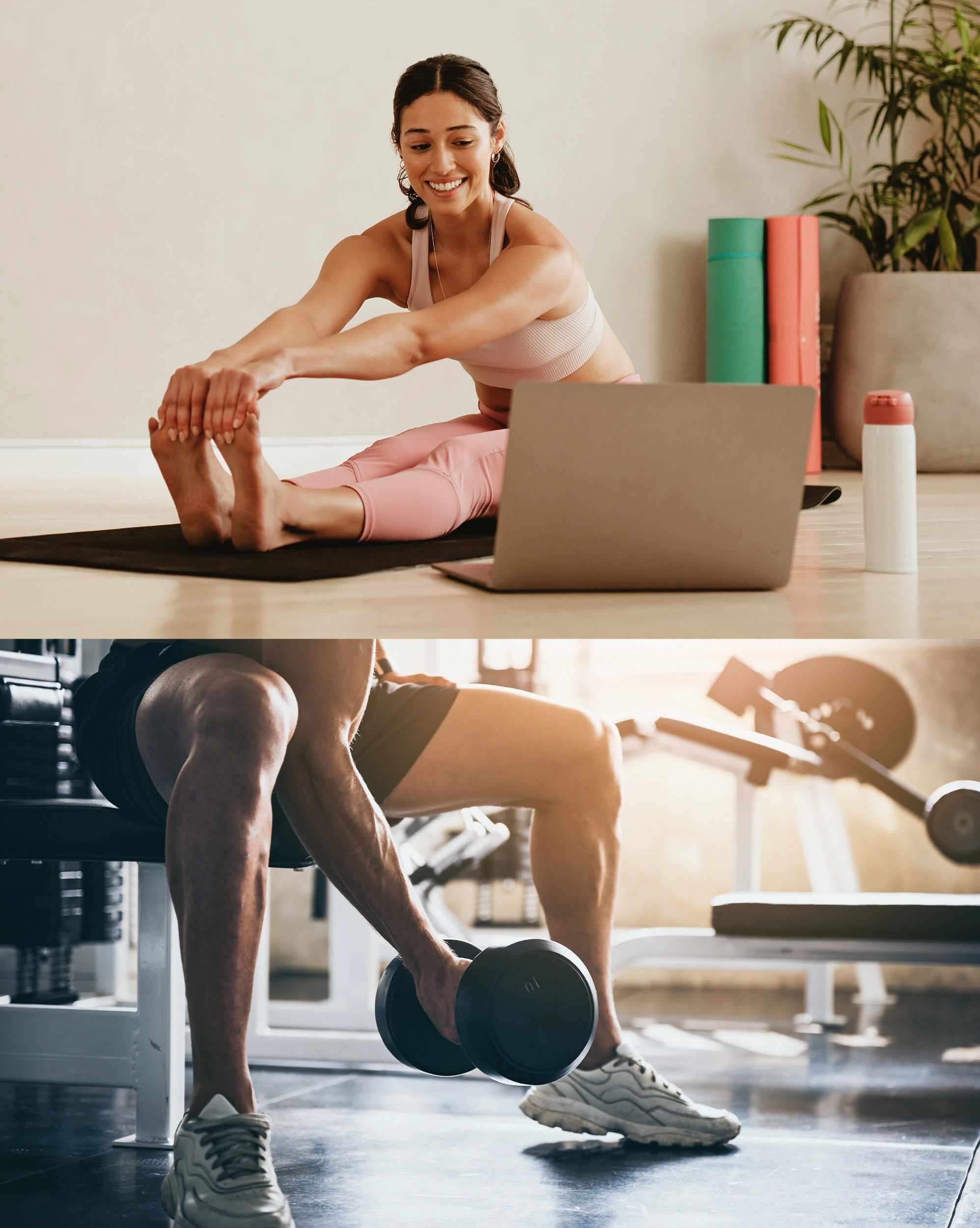
With online fitness, you’re not tied to a fixed schedule or location. You can work out at home, in a park, or even while traveling. Whether it’s early morning yoga or a quick 20-minute workout before bed, online fitness gives you full control over when and where you exercise.
2. Affordable Subscriptions
Traditional gyms often charge high monthly fees, plus additional costs for personal trainers or group classes. Online fitness platforms usually offer affordable subscriptions, one-time payments, or even free content on apps and YouTube—making fitness accessible for almost everyone.
3. Wide Range of Classes
From yoga, Pilates, and Zumba to strength training and high-intensity interval training (HIIT), online platforms provide endless workout choices. You can switch routines easily, preventing boredom and helping you explore different types of fitness programs.
Advantages of Traditional Gyms
https://youtu.be/pNP5ZqIr9sc?si=O5E6iJA6ffnszNJd
1. Access to Equipment
For people who want to build serious muscle or follow structured strength training, gyms offer access to machines, heavy weights, and specialized equipment that isn’t available at home.
2. In-Person Trainers
Some individuals need face-to-face guidance and correction. Personal trainers at gyms can provide direct feedback, ensure proper form, and create custom workout plans suited to your needs.

3. Social Interaction
Gyms offer a sense of community where you can meet like-minded people, attend group
classes, and stay motivated by working out alongside others. For those who thrive in
social environments, gyms can be more engaging.

 Which One Should You Choose?
If flexibility, affordability, and variety are your top priorities, online fitness is the perfect option. However, if you need access to specialized equipment, enjoy socializing, or require in-person coaching, traditional gyms may be better suited for you. Many people today choose a hybrid model—combining online workouts for convenience with occasional gym sessions for strength and equipment-based training.
Conclusion
There is no one-size-fits-all answer. The best choice depends on your lifestyle, goals, and preferences. Online fitness and traditional gyms both have valuable benefits, and combining them can give you the best of both worlds.